



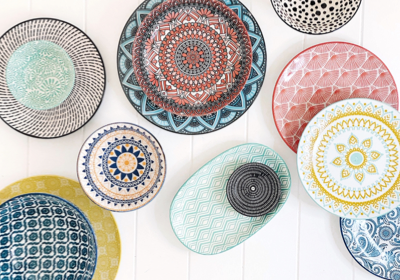


Some homewares are functional. Others give a room its personality.
Vintage glassware does both.
A coloured tumbler, faceted highball or elegant coupe can instantly add character to a dining table. The key is choosing pieces with distinctivecolour, texture, silhouette or detailing, then balancing them with contemporary furniture and tableware.
For mid-century modern collectors, nostalgic decorators and Australian entertainers, vintage glassware offers an easy way to create a table that feels personal rather than mass-produced.
Quick Takeaways
- Vintage glassware is recognised by its distinctive colour, texture, shape and detailing.
- Vintage-inspired glassware recreates nostalgic designs using modern production.
- Coloured, ribbed and faceted glass can add instant visual interest.
- Mixing vintage-style pieces with contemporary tableware keeps the look fresh.
- Genuine vintage or antique glassware requires extra consideration around composition and intended use.
What Makes Glassware Look Vintage?
Vintage character isn't determined by age alone.
Colour, texture, pattern and silhouette can all create a nostalgic appearance. Amber and green glass, pressed patterns, faceted surfaces, rounded shapes and decorative details are particularly effective.
There is also an important distinction betweengenuine vintage glassware andvintage-inspired glassware. Genuine pieces come from an earlier period, while modern vintage-inspired designs recreate those visual characteristics for contemporary homes.
Pro-tip: If you're decorating rather than collecting antiques, vintage-inspired glassware can be easier to coordinate, replace and use every day.
Why Vintage Glassware Works in Modern Homes
Modern interiors often rely on clean lines and restrained colours. Decorative glassware introduces contrast without requiring a major redesign.
Popular combinations include:
- Amber glass with white dinnerware
- Green glass with timber
- Clear textured glass with stoneware
- Jewel tones with neutral linen
- Faceted glasses for cocktails and entertaining
The effect is subtle: the table gains depth and personality while the overall room remains contemporary.
For more inspiration, see our related guide:Shop Trending Crockery & Glassware Loved by Australian Homes.
5 Vintage Glassware Styles to Know
1. Coloured Glassware
Amber, green, blue, pink and smoky tones create an immediate nostalgic feel.
For a warm mid-century look, try amber glasses with cream dinnerware, timber serving boards and linen napkins.
2. Textured Glassware
Ribbed, fluted, pressed and embossed surfaces create depth by catching and reflecting light.
TheWinston Tumbler Glass Setis a practical example, combining a classic tumbler profile with embossed rib texture for everyday entertaining.
3. Cut or Faceted Glass
Faceted surfaces create sparkle and work particularly well for:
- Whisky
- Cocktails
- Dinner parties
- Home bars
- Special occasions
A cut-glass highball can introduce a classic bar aesthetic without requiring a fully retro interior.
4. Retro Tumbler Glasses
Tumblers are one of the easiest ways to introduce vintage character because they combine decorative appeal with everyday practicality.
Choose matching colours for a coordinated setting or complementary shades for a more collected appearance.
5. Vintage-Inspired Stemware
Coupes, wine glasses and champagne flutes bring a more formal nostalgic character to entertaining.
Look for curved silhouettes, decorative stems, coloured bowls or patterned surfaces.
How to Style Vintage Glassware in a Modern Setting
The simplest rule isdon't make everything vintage.
Let the glassware provide the decorative element while the rest of the setting remains relatively contemporary.
For example:
Contemporary foundation:
White dinnerware + simple cutlery + linen
Vintage accent:
Green textured tumblers or retro-inspired coupes
This creates contrast without turning the dining room into a period reproduction.
Choose Glassware for Your Interior Style
Mid-Century Modern
Look for amber, olive, smoked glass, geometric patterns and rounded silhouettes. Timber and brass furniture complement these finishes naturally.
Contemporary Minimalist
Choose clear textured glass, subtle smoke tones or simple faceted designs. Keep surrounding accessories restrained.
Coastal Australian
Pale blue, soft green and clear glass work well with timber, linen and ceramic pieces.
Eclectic
Mix shapes and finishes while keeping one common element—such as colour or material—to maintain cohesion.
Building a Vintage Glassware Collection
You don't need a complete collection immediately.
Start with versatile tumblers, then expand into:
- Wine glasses
- Highballs
- Cocktail glasses
- Champagne coupes
- Decorative jugs or decanters
A collection doesn't have to contain identical pieces. Repeating one characteristic such as colour, texture or shape can be enough to make different pieces work together.
Genuine Vintage vs Vintage-Inspired Glassware
| Feature | Genuine Vintage | Vintage-Inspired |
|---|---|---|
| Origin | Earlier production period | Modern production |
| Character | Individual variations | Consistent finish |
| Availability | Often limited | Easier to find |
| Matching | Can be difficult | Usually straightforward |
| Main appeal | Authenticity and history | Vintage aesthetic |
| Ideal for | Collectors | Everyday entertaining |
Choose based on your purpose. Collectors may value provenance and historical character, while everyday entertainers may prefer the consistency and practicality of modern vintage-inspired designs.
Is Vintage Glassware Safe to Use?
Take extra care with genuine vintage or antique glassware when its composition is unknown.
Lead crystal can be difficult to distinguish from ordinary or lead-free glass by appearance alone. Health Canada notes that lead can migrate from lead crystalware into food and beverages, particularly with acidic contents and longer contact periods.
The Canadian Conservation Institute also advises against prolonged storage of liquids in lead crystal decanters because lead can leach into the contents.
Practical takeaway: If you cannot establish the composition or intended use of an older glass item, don't assume it is suitable for long-term food or beverage storage.
For decorative pieces with uncertain provenance, display is a safer practical use.
How to Care for Vintage-Style Glassware
Follow Product Instructions
Care requirements vary between products. Some modern glassware is dishwasher safe, while delicate pieces may require hand washing.
Avoid Sudden Temperature Changes
Don't transfer very hot glass directly into cold water. Sudden temperature changes can stress the material.
Store With Space
Prevent glasses from knocking against one another during storage.
Protect Delicate Details
Thin stems, faceted edges and decorative surfaces can be more vulnerable to chips and cracks.
5 Tips for Buying Vintage Glassware Online
1. Check the Dimensions
Always review height, diameter and capacity rather than relying on product photography.
2. Confirm the Material
Check whether the item is glass, crystal or another material.
3. Read the Care Instructions
Choose dishwasher-safe options if convenience matters for everyday entertaining.
4. Choose Sets or Individual Pieces Intentionally
Sets work well for regular entertaining. Individual pieces are useful when building a more eclectic collection.
5. Buy for Your Actual Use
Choose tumblers for everyday drinks, highballs for cocktails and stemware for wine or special occasions.
Vintage Glassware Adds Character Without Overcomplicating Your Home
The appeal of vintage glassware is simple:small decorative details can make a big difference.
A textured tumbler catches the light. A coloured glass adds warmth. A faceted highball gives a drinks cabinet more personality.
You don't need an entirely vintage interior. A carefully chosen few pieces can provide the nostalgic detail while contemporary furniture and dinnerware keep the overall look fresh.
Frequently Asked Questions
What makes glassware look vintage?
Vintage character usually comes from colour, texture, pattern and silhouette. Amber or green glass, faceted surfaces, pressed patterns, rounded shapes and decorative detailing can all create a nostalgic appearance. Modern manufacturers can reproduce these characteristics, so glassware does not necessarily need to be genuinely old to achieve a vintage look.
Is vintage glassware still fashionable?
Yes. Vintage-inspired glassware works particularly well with contemporary interiors because it introduces colour, texture and individuality. A small number of distinctive glasses can add character without making an entire room look retro. Pairing them with simple modern dinnerware is an easy way to create a balanced dining setting.
How do you style vintage glassware?
Choose one defining feature, such as colour, texture or shape, and use it as an accent. Pair decorative glasses with simple dinnerware, contemporary furniture and natural materials such as timber or linen. This creates contrast while preventing the table from becoming visually overcrowded.
Can vintage glassware be used for drinking?
It depends on the item's composition and intended use. Modern vintage-inspired glassware should be used according to the manufacturer's instructions. For genuine antique or unidentified crystalware, composition may be uncertain. Health Canada notes that lead crystalware can transfer lead into food and drinks, particularly with acidic contents or prolonged contact.
Final Thoughts
Vintage glassware is an easy way to add personality to modern Australian homes.
Whether you prefer mid-century design, understated minimalism or eclectic interiors, the right combination of colour, texture and shape can elevate an everyday table.
Start with a few versatile pieces, choose designs that complement your existing homewares and build your collection over time.
Ready to bring more character to your table? Explore theBliss Gifts & Homewares for pieces suited to modern Australian entertaining.